
MOUNTAIN AIR™ guides
Articles about air quality and air purifiers
Useful guides to PM2.5, smog, dust, HEPA, filter care and choosing an air purifier.
Do houseplants clean indoor air? The evidence behind a popular claim
Do houseplants clean apartment air? Understand the research, the difference between laboratory chambers and occupied rooms, and sensible plant care.

Dust mites in mattresses and pillows: what actually helps?
Dust mites in mattresses and pillows: bedding care, humidity management, protective covers and the limits of what an air purifier can do.
Air conditioning, fresh-air ventilation and air purification: who does what?
How air conditioning, supply ventilation and air purification differ, what to check in the manual and which questions to ask an installer.
Air inside your car: using recirculation and the cabin filter
When to use car recirculation, what to do about fogged windows and what matters when selecting and replacing a cabin air filter.
Radon at home: what it is and when testing makes sense
What radon is, how to arrange a meaningful home measurement and why PM2.5 monitors and household air purifiers cannot replace a radon assessment.
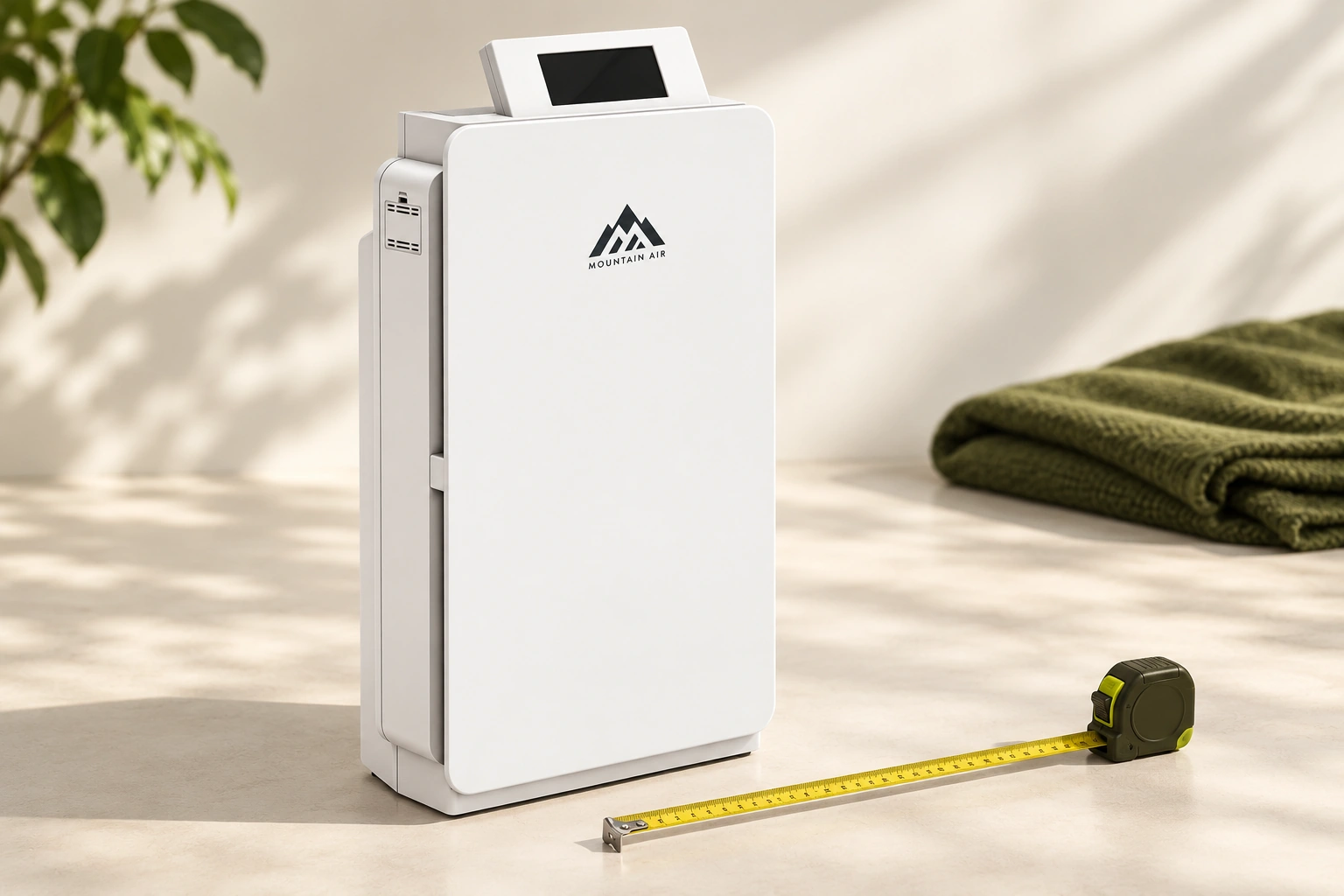
Where to place your air purifier
Bedroom and living-room air purifier placement: airflow, furniture, windows, curtains and humidifiers. Practical guidance based on your appliance instructions.
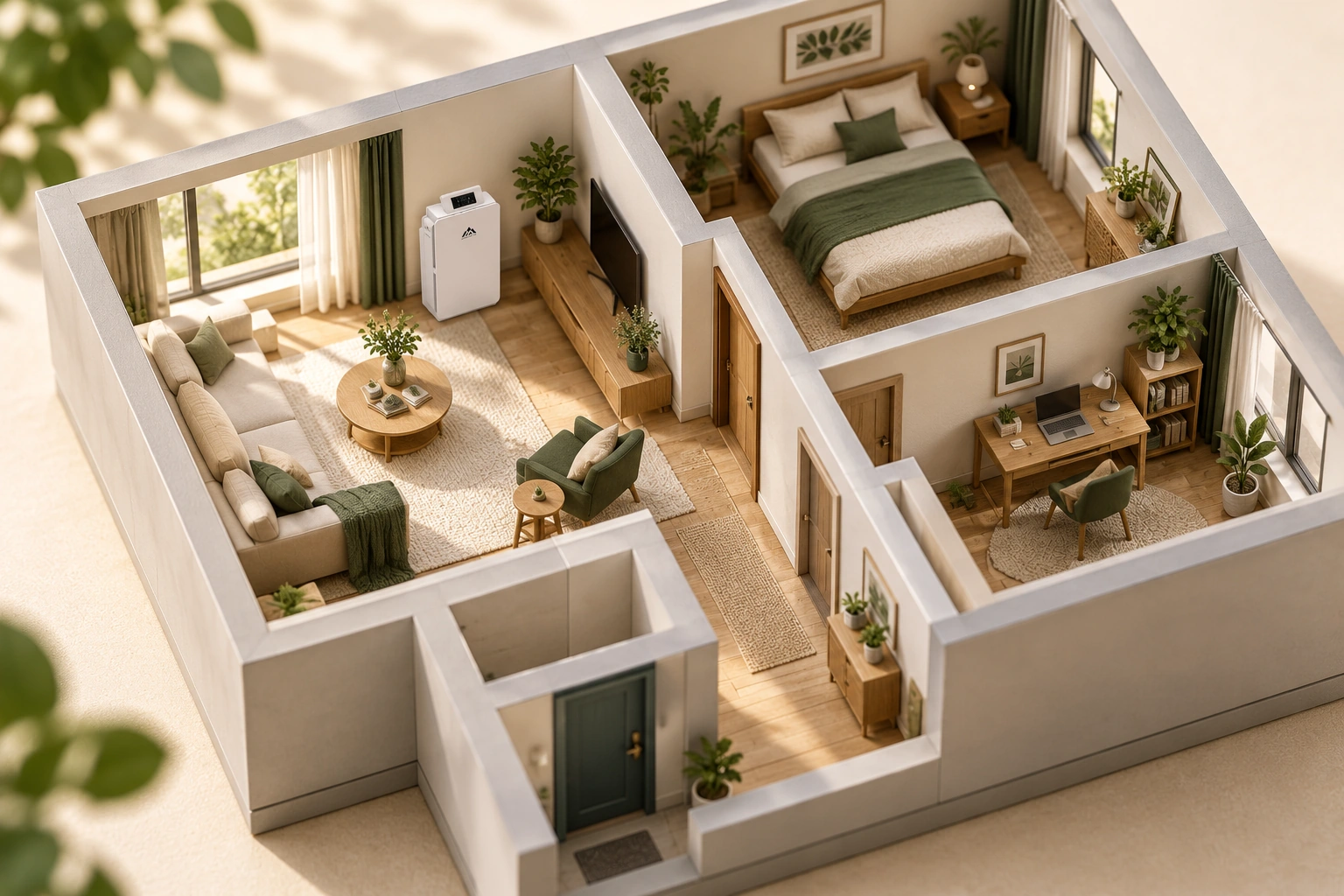
Is one purifier enough for your apartment?
Can one purifier serve several rooms? Understand CADR, room volume, closed doors and operating speed, with a clear GL-K180 calculation example.
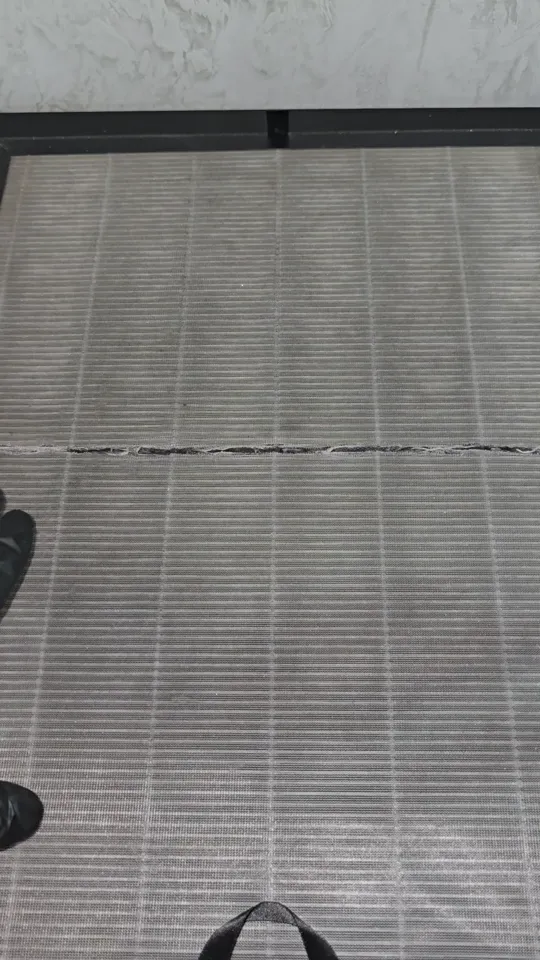
Filters after 4 and 6 months
Real GL-K180 filter photos and video after four and six months: what visible soiling tells you, what it cannot show and how to plan maintenance.
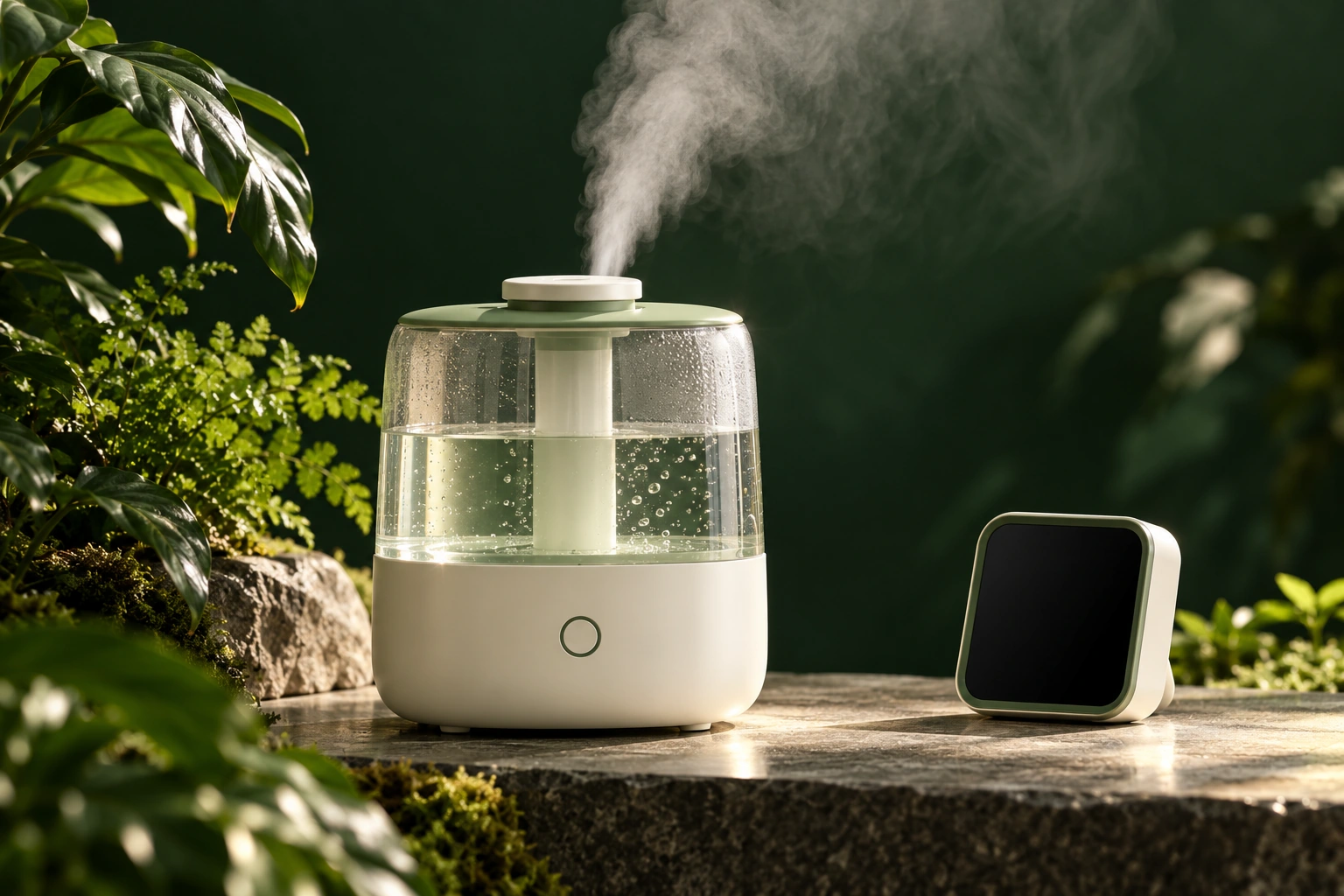
Why a humidifier raises PM2.5
Minerals, mist and humidity can affect PM2.5 readings. Follow a practical check of water, placement and sensors when running a humidifier near a purifier.
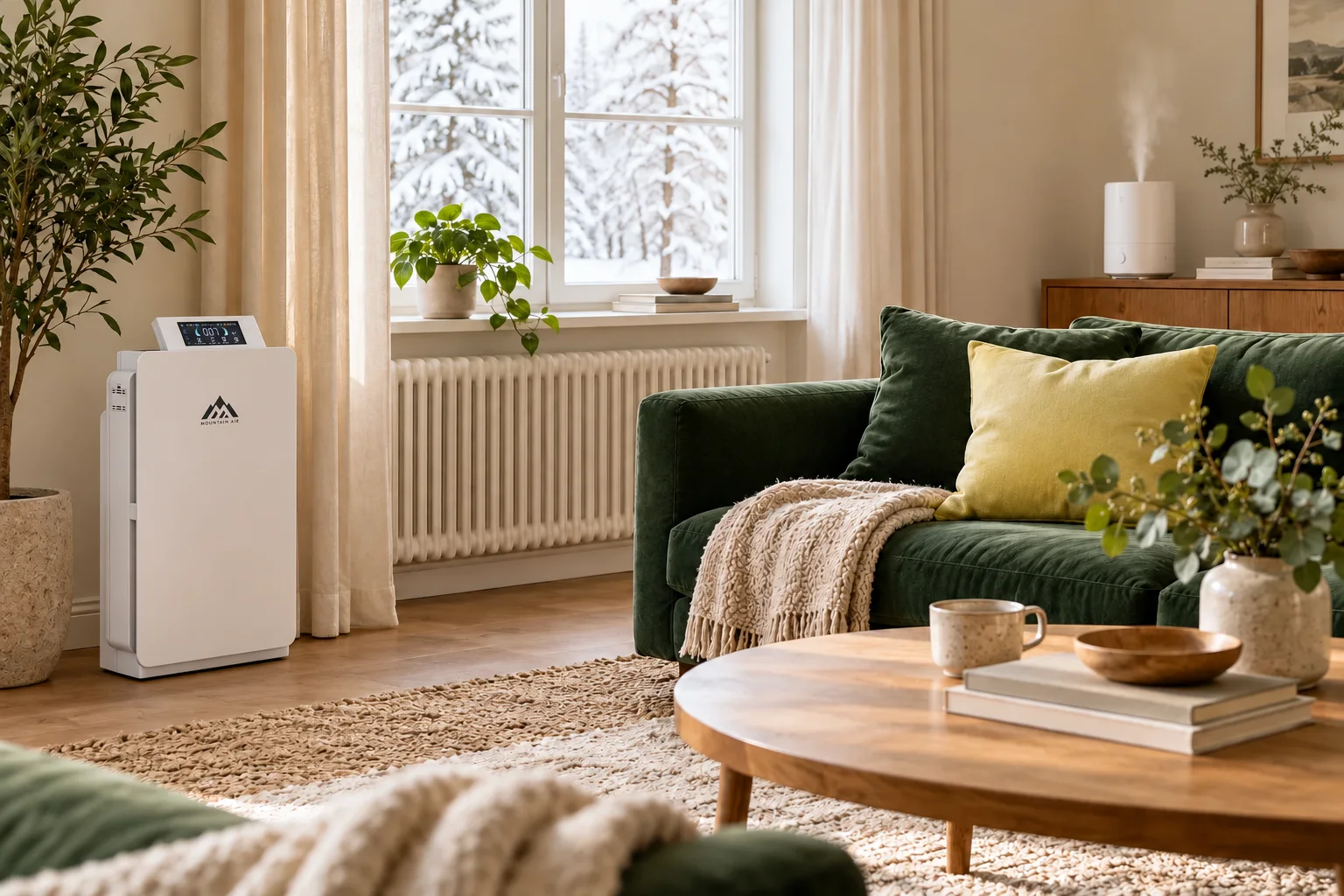
Air purifier or humidifier?
What to choose in winter: dry air, dust and stuffiness need different solutions.
How to check indoor air quality
PM2.5, CO₂, VOCs and humidity: what monitor readings mean and which actions actually help.
Air purifier for an apartment in Almaty
PM2.5 monitoring, ventilation timing and CADR calculation for smog days.
What is PM2.5
PM2.5 means airborne particles no larger than 2.5 micrometres.
What HEPA H13 means
HEPA H13 identifies a particle-filter class.
How to reduce dust
Reduce apartment dust by combining source control, damp cleaning, textile care and air filtration.
Pet hair and allergens
Visible hair, pet allergens and odours are three different problems.
How to reduce indoor odours
To reduce an indoor odour, identify and remove the source and arrange safe ventilation.
Urban smog and indoor air
If smog enters your apartment, limit uncontrolled outdoor entry, avoid indoor sources and use suitable filtration.
How to choose an air purifier
Choose a purifier for the actual room, pollutant and speed you can use every day.
Seven buying mistakes
Room sizing, filters, noise, maintenance and realistic expectations.
Filter care and replacement
Replacement depends on loading and the instructions for the specific model.