
Measuring what matters
Radon at home: what it is and when testing makes sense
We usually judge air by its smell, stuffiness or dust. But those observations cannot answer one question: what is the radon concentration?
Radon is a naturally occurring radioactive gas without color or odor. Its level is determined by a dedicated measurement. A good PM2.5 reading is not a radon test.
In this article
Where it comes from
Radon forms through natural decay processes in soil and rock. It can enter buildings through structures in contact with the ground and accumulate indoors. WHO states that long-term exposure increases lung-cancer risk. This concerns prolonged exposure, rather than judging how someone feels during a single evening. WHO.
A home's appearance, a recent renovation or a neighboring building's address cannot establish its concentration. That does not mean every apartment necessarily has a problem: measurement provides the answer.
When to ask about a test
When buying a house, converting a basement into living accommodation or changing the use of rooms connected with the ground, it is sensible to ask whether measurements have been made. Request the actual report: where, when, for how long and by what method was the test conducted?
Even a neighboring home's result cannot replace measurements in your own space. Instead of assumptions about a “good neighborhood,” establish the local procedure for assessment.
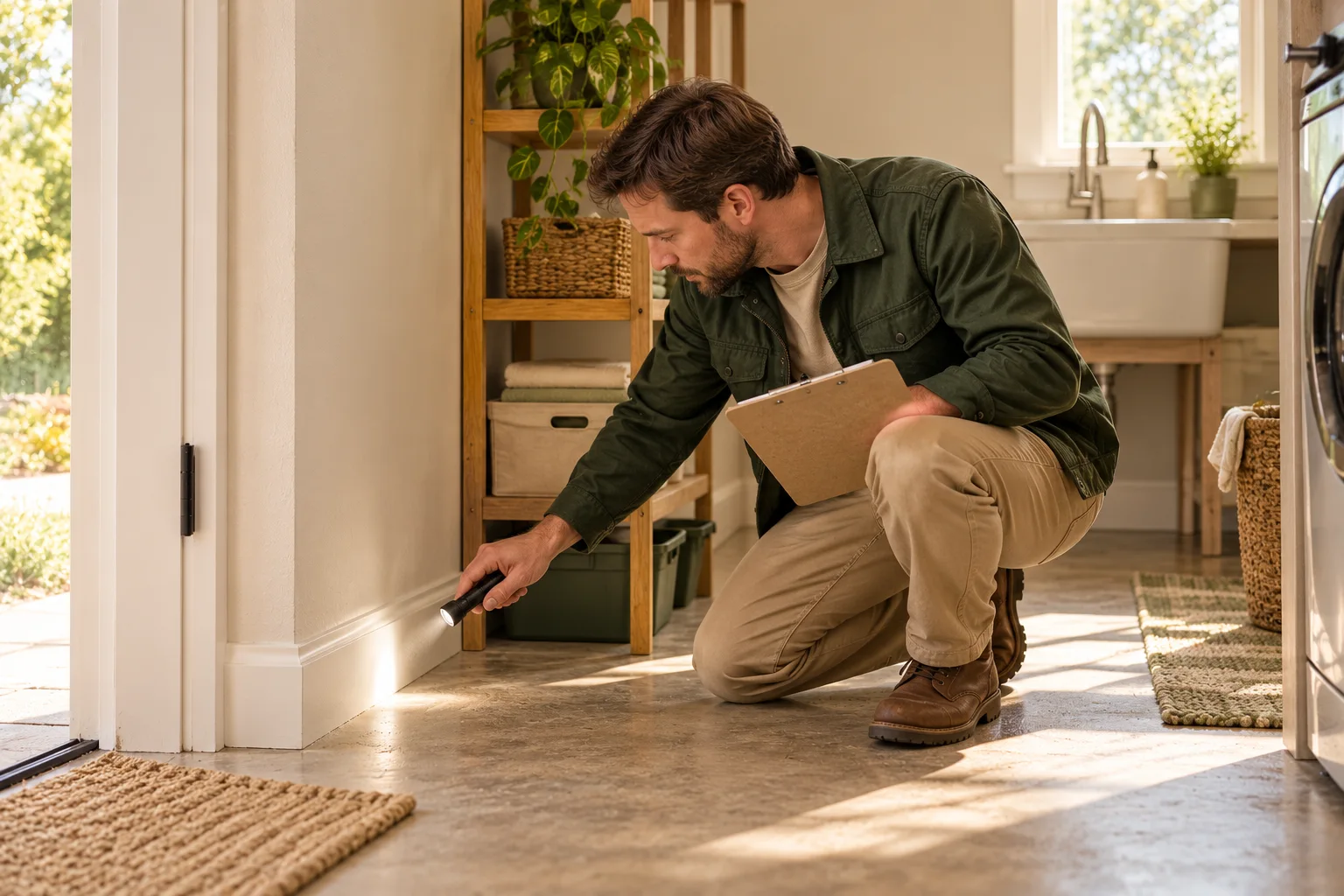
Getting a result that can be interpreted
Contact an organization that performs these measurements and ask in advance:
- Which instrument or detector will be used, and how is its suitability verified?
- In which room will it be placed, and for how long?
- How should the space be used during the test?
- In which units will the result be reported, and which applicable requirements will it be compared against?
Concentration changes over time. EPA distinguishes short-term tests from long-term measurements lasting more than 90 days, which better characterize the long-term average. This describes EPA's approach; it is not a universal statement of Kazakhstan's legal requirements. EPA guide.
An instantaneous number on a newly installed instrument should therefore not be presented as the final assessment of a home.
Why buying a purifier does not replace assessment
EPA does not recommend relying on air cleaners to reduce radon-related risk. An elevated result calls for measures appropriate to the building, including reducing gas entry and suitable engineering solutions. EPA position.
Do not assume that opening a window slightly or installing a more powerful HEPA appliance is sufficient. After remedial work, confirm its effect with a follow-up measurement.
Can an ordinary indoor-air monitor detect radon?
Only if it has a dedicated radon-measurement function. PM2.5, CO₂ and TVOC measurements cannot replace it.
Does a high result mean selling the house immediately?
No. Verify the quality of the measurement and discuss appropriate measures with a specialist. Decisions should be based on data and the building's characteristics, rather than one alarming message.